About Lint Free cloth
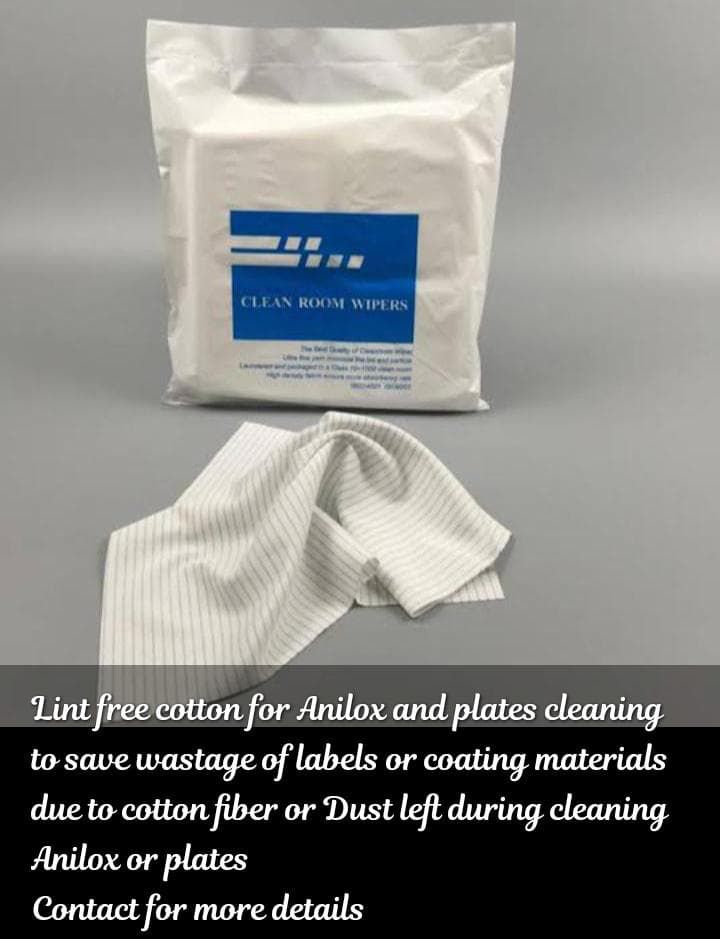
A lint-free cloth is a specially designed cleaning fabric that does not shed fibers, making it ideal for applications where cleanliness and surface clarity are critical.
Product Description:
A lint-free cloth is made from tightly woven materials such as microfiber, polyester, or cotton blends that prevent the release of lint or particles during use. It ensures streak-free and residue-free cleaning, especially on delicate or sensitive surfaces.
Key Features:
- Non-shedding material: Leaves no fibers or dust behind
- Highly absorbent: Effectively absorbs liquids, oils, and contaminants
- Soft & non-abrasive: Safe for delicate surfaces like glass, lenses, and screens
- Reusable & durable: Can withstand multiple washes without losing efficiency
- Chemical resistant: Suitable for use with cleaning agents and solvents
Applications:
- Cleaning glass, mirrors, and optical lenses
- Electronics and precision instruments
- Automotive detailing and polishing
- Laboratory and industrial environments
- Printing and painting processes
Specifications (Typical):
- Material: Microfiber / Polyester / Cotton blend
- Size: Customizable (e.g., 30x30 cm, 40x40 cm)
- GSM: 150300 (depending on usage)
- Color: White, Blue, Grey (or customized)
Benefits:
- Ensures a spotless, streak-free finish
- Reduces contamination risk
- Ideal for professional and industrial cleaning tasks
Versatile Cleaning SolutionEngineered for a range of cleaning applications, our lint-free cloths provide spotless results on delicate and high-precision surfaces. They are suitable for use in households, labs, industrial facilities, automotive workshops, and more due to their advanced fiber structure that prevents lint and residue.
Customization to Fit Your NeedsWe offer custom sizing and color options for our lint-free cloths, ensuring they cater to your workspace or industry requirements. From 30x30 cm to bespoke dimensions and color matching, we accommodate unique operational needs across different sectors.
FAQ's of Lint Free cloth:
Q: How can I use a lint-free cloth for optimal cleaning results?
A: To achieve the best results, gently wipe the target surface with the cloth in a single direction without applying excessive pressure. Avoid using fabric softeners or bleach during washing, as these may reduce its lint-free effectiveness.
Q: What materials are lint-free cloths made from?
A: Lint-free cloths are usually made from specially engineered microfiber or synthetic blends to prevent shedding and ensure no fibers are left behind after cleaning, which is essential for sensitive surfaces like optical lenses and electronics.
Q: When should I choose a customizable lint-free cloth over standard sizes?
A: A customizable lint-free cloth is ideal when your application requires specific dimensions or colors, such as for a particular cleaning tool, machine size, or to meet branding and workflow protocols in your facility.
Q: Where are these lint-free cloths commonly used?
A: They are widely utilized in cleaning glass and mirrors, optical instruments, automotive detailing, electronics maintenance, laboratory procedures, industrial cleaning, painting, and printing environments.
Q: What is the process for ordering customized lint-free cloths from you?
A: You can specify your required size, color, and quantity by contacting us directly. As a manufacturer, service provider, supplier, and trader in India, we support both standard and tailored orders, working closely with clients to fulfill unique needs efficiently.
Q: Can these cloths benefit industries beyond cleaning and detailing?
A: Yes, their lint-free nature makes them invaluable for sectors like laboratories, printing, and manufacturing, where contamination control and surface integrity are critical for process quality and product performance.
Q: How does using a lint-free cloth improve cleaning of sensitive equipment?
A: Lint-free cloths are designed to ensure no fibers or residues are left behind, reducing the risk of scratches and ensuring clear, streak-free surfaces, which is particularly important for glass, precision instruments, and optical components.

 Send Inquiry


 Send Inquiry

 Send Inquiry